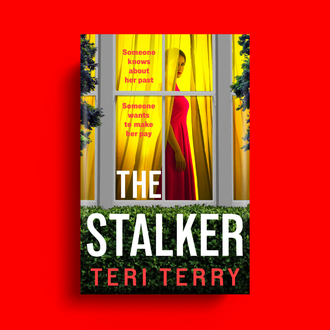
As a reader, I love a character who surprises me. You know that kind of moment, when you think you have them pegged, and they suddenly do something you really weren’t expecting. But at the same time, when they do, you go Ah. Of course. That makes perfect sense. I love those moments. And a baddie who does something good or a main character who does something they shouldn’t are far more interesting and real.
Early on in my writing career, I’d heard authors say that their characters surprise them. But they’re in charge of their characters, right? They only exist on the page, and the author has made them who they are, decided what they will and will not do.
Or so I thought.
Since then, I’ve experienced that many times. Way back in 2012 in my first published book, Slated, a young adult dystopian novel, I knew exactly what was going to happen in a critical scene, but when I got there, had this strong gut feeling; this character wouldn’t do that. Listening to those feelings isn’t just about making a character feel real and three-dimensional. Figuring out how to reconcile who they are with the story role they fulfill can also enrich the plot. And ignoring them is never a good idea; it can lead to endless editing later on.
My latest book, The Stalker, had moments very like this. There are two main point of view characters. The story begins when Lou finds a note on her car:
If I were you, I’d go home. Now.
She does so, and finds her husband in bed with another woman, Freja. Lou leaves her husband, but the notes and other harassment continue. Someone always seems to know just where she is. It has terrifying echoes of her past as a teen, when a stalker derailed her tennis career.
That is the set-up. But working out just who these two women were, what they wanted, and how they were going to try to get it, took unexpected turns. Lou, especially, wasn’t the victim who hides in a corner: she really surprised me.